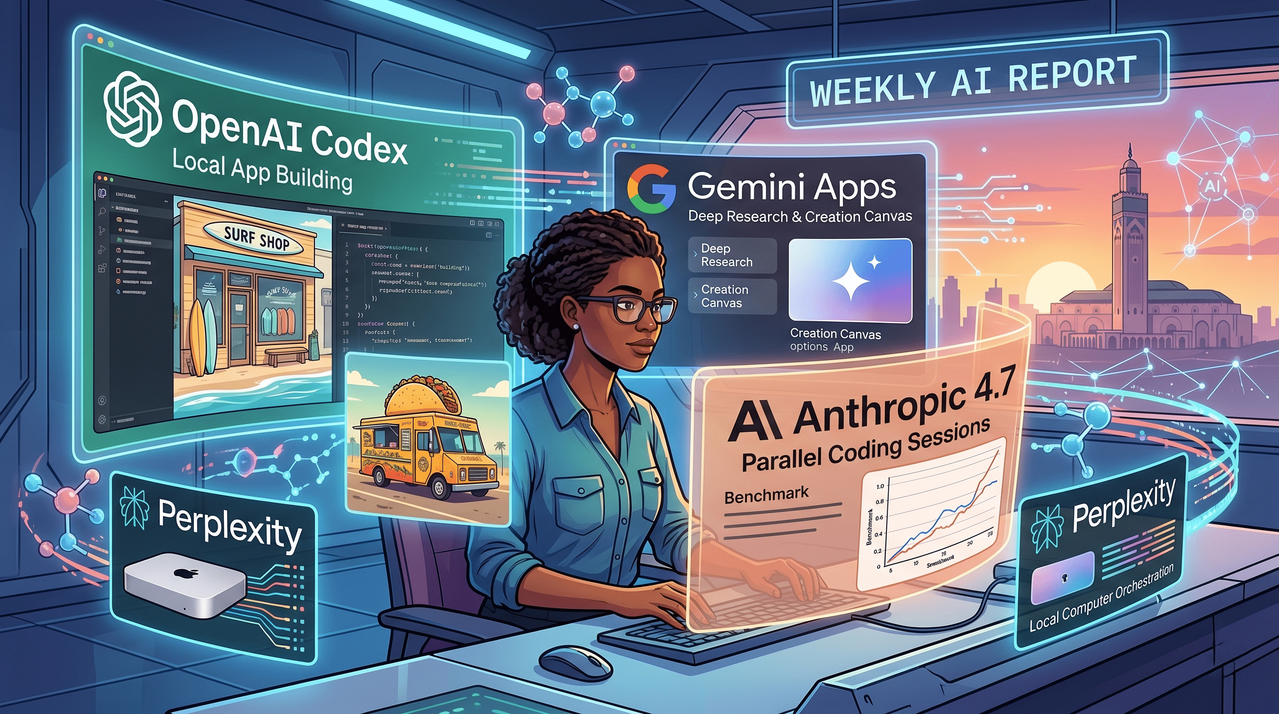
A deep dive into the 2026 AI landscape: OpenAI Codex, Claude 4.7 benchmarks, Google Gemini Mac updates, and the rise of Agentic AI for tech professionals today.
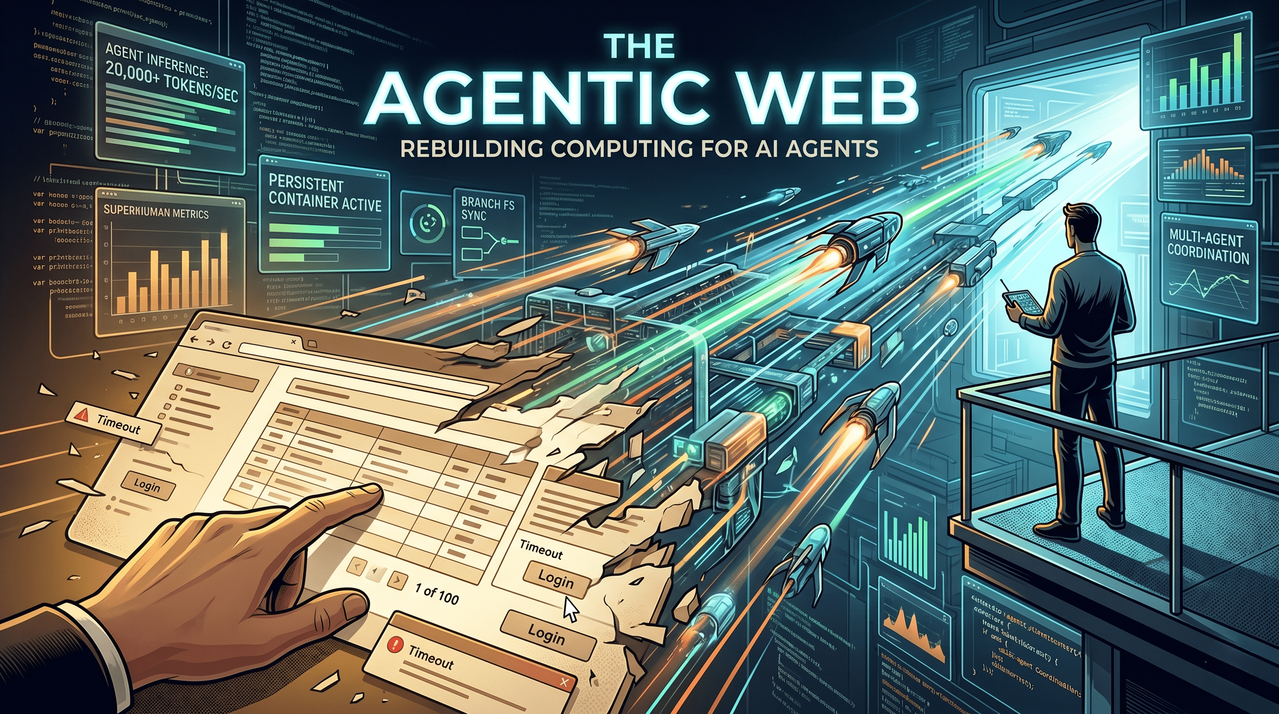
The web is being rebuilt for AI agents. Discover how agentic primitives and superhuman inference speeds are transforming software architecture and your career.
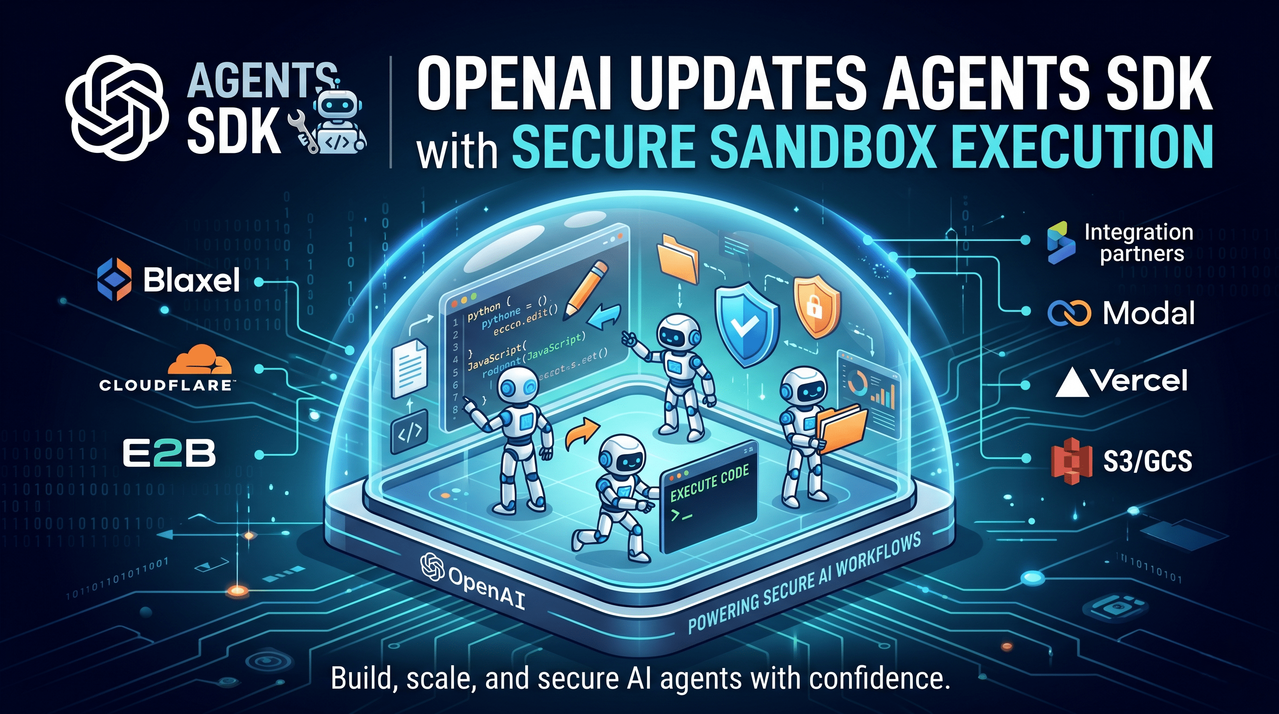
Learn how the updated OpenAI Agents SDK helps developers build, scale, and secure AI agents safely using native sandbox execution and a unified Python harness.
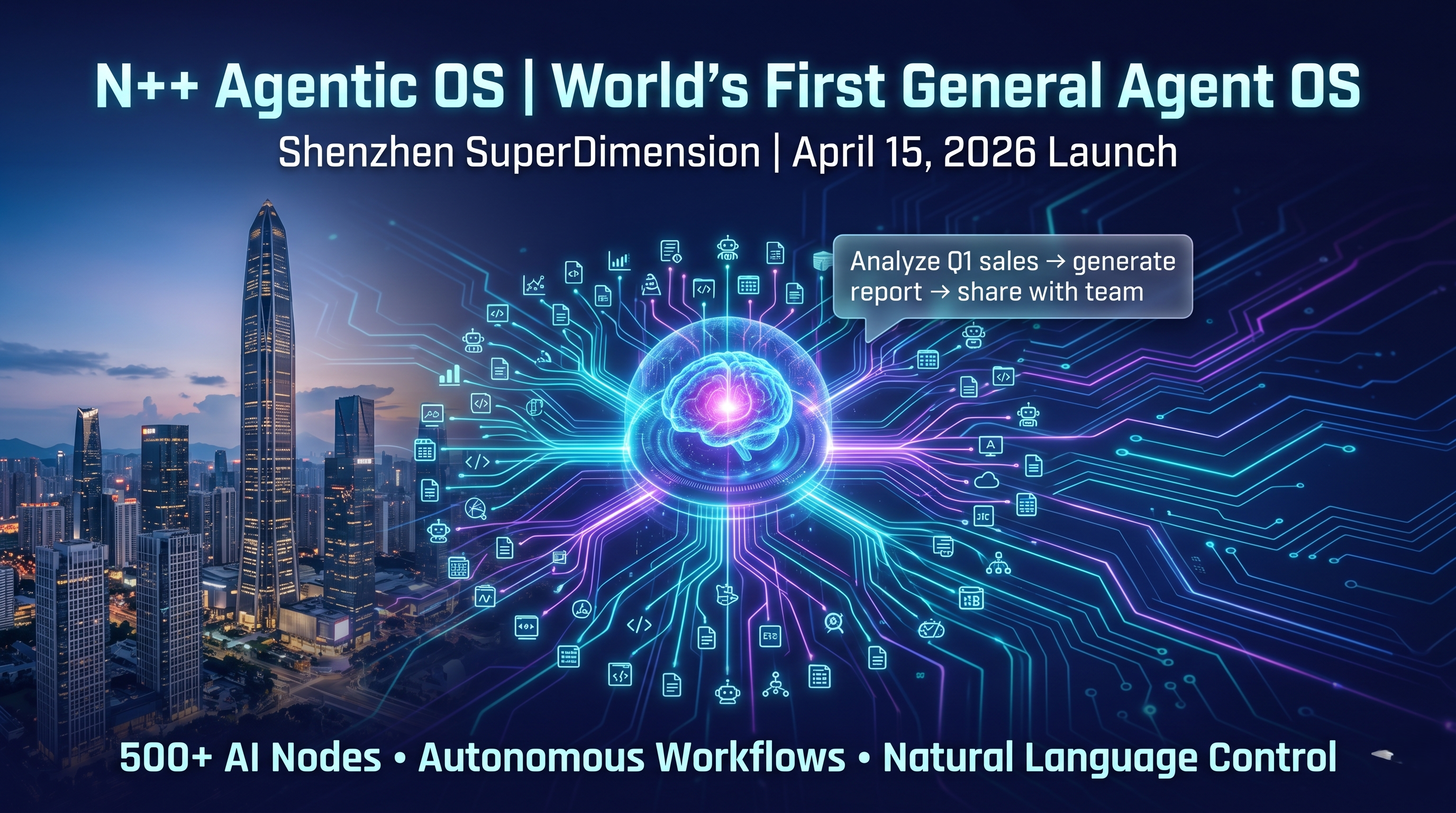
N++ Agentic OS by Shenzhen SuperDimension (April 15, 2026) is the world’s first general agent OS with 500+ pre-built AI nodes for autonomous task orchestration across data science, office, and development workflows via natural language. Explore launch details, use cases, and Shenzhen AI innovation.1
In 2026, the software industry faces a hidden threat: Dark Code. As AI outpaces human comprehension, engineers are shipping logic they can't explain. This report explores the organizational risks of "vibe coding" and why companies like Amazon are pivoting to Spec-Driven Development to regain control over their production environments.
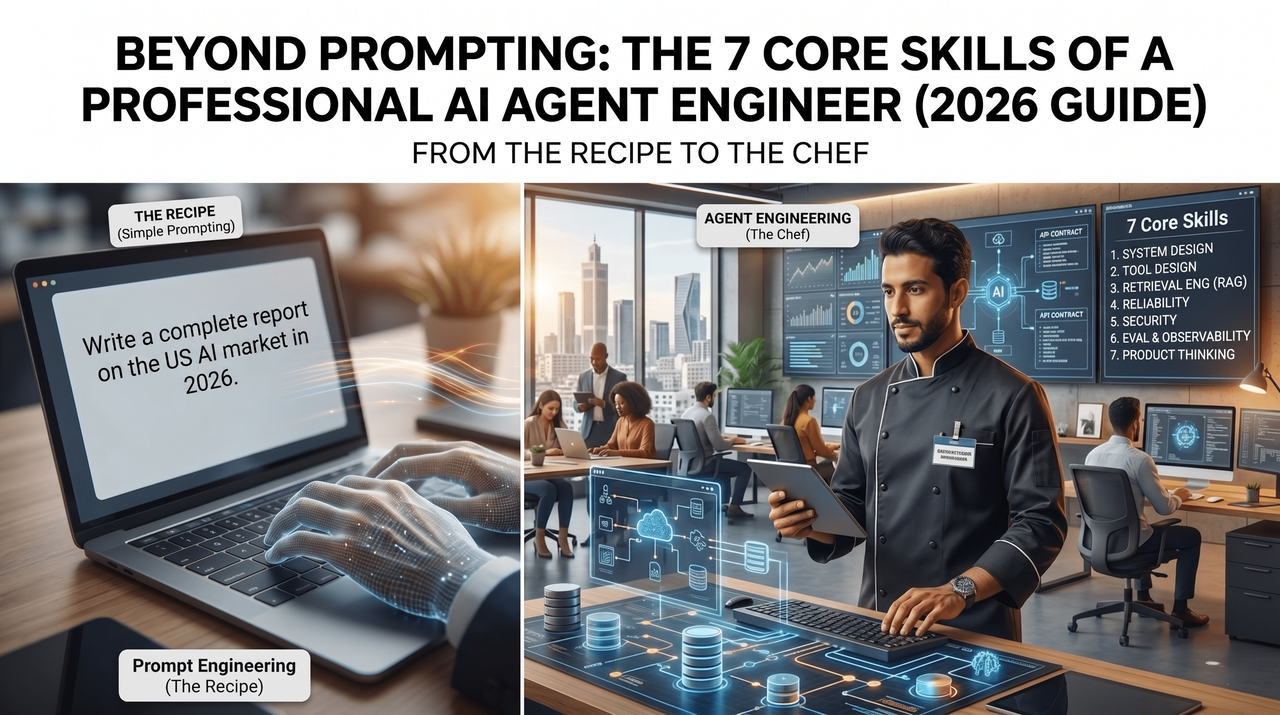
Stop just writing better sentences. In 2026, building production-ready AI agents requires a shift from prompt engineering to full-scale systems architecture. This report breaks down the 7 essential skills—including retrieval engineering, tool design, and reliability—needed to build agents that thrive in real-world production environments.
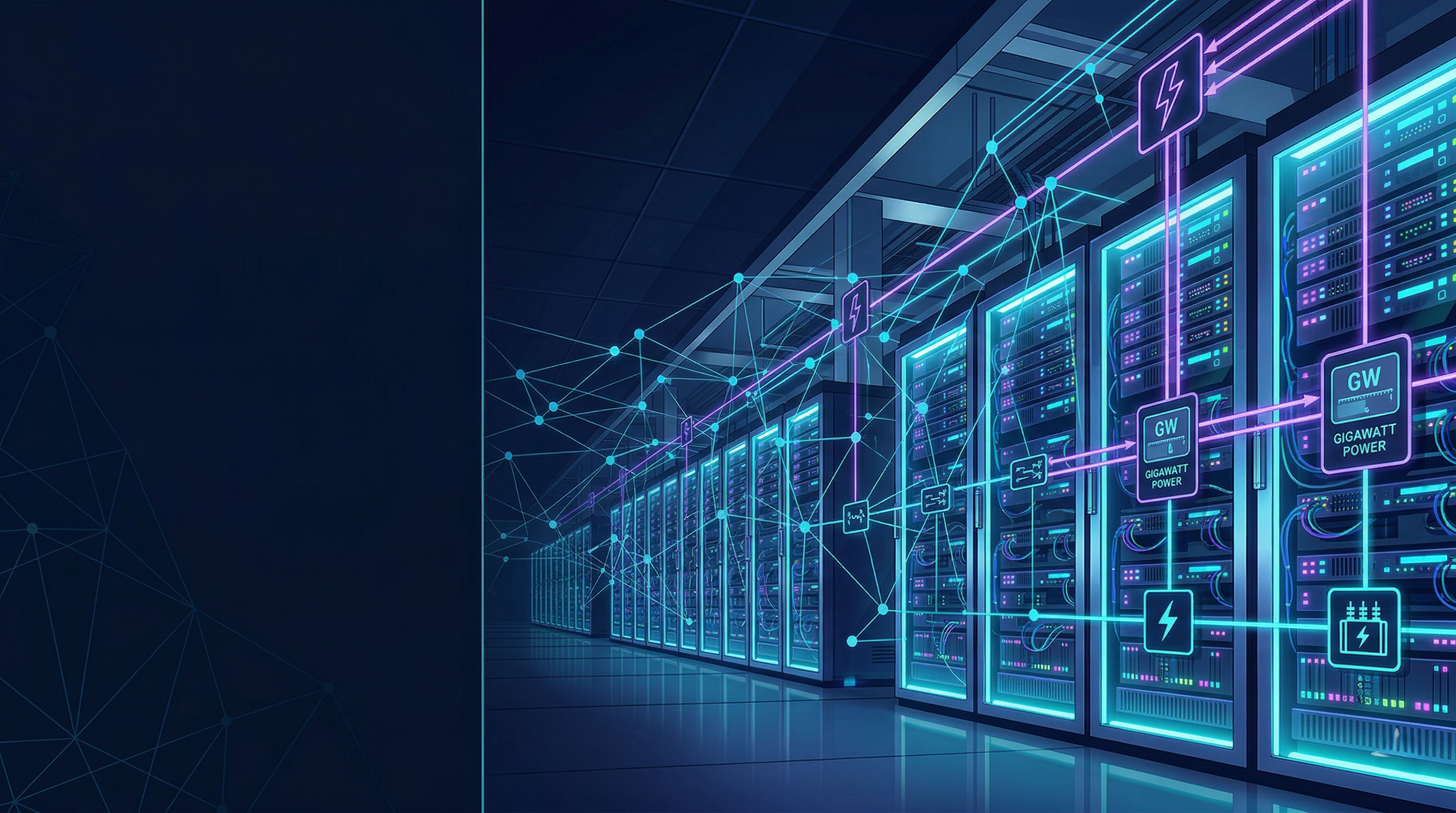
Broadcom’s April 2026 8‑K discloses a long-term Google TPU + networking supply deal through 2031 and an expansion enabling Anthropic to access ~3.5 GW of next-gen TPU compute starting in 2027. Here’s what it means for the AI compute race.
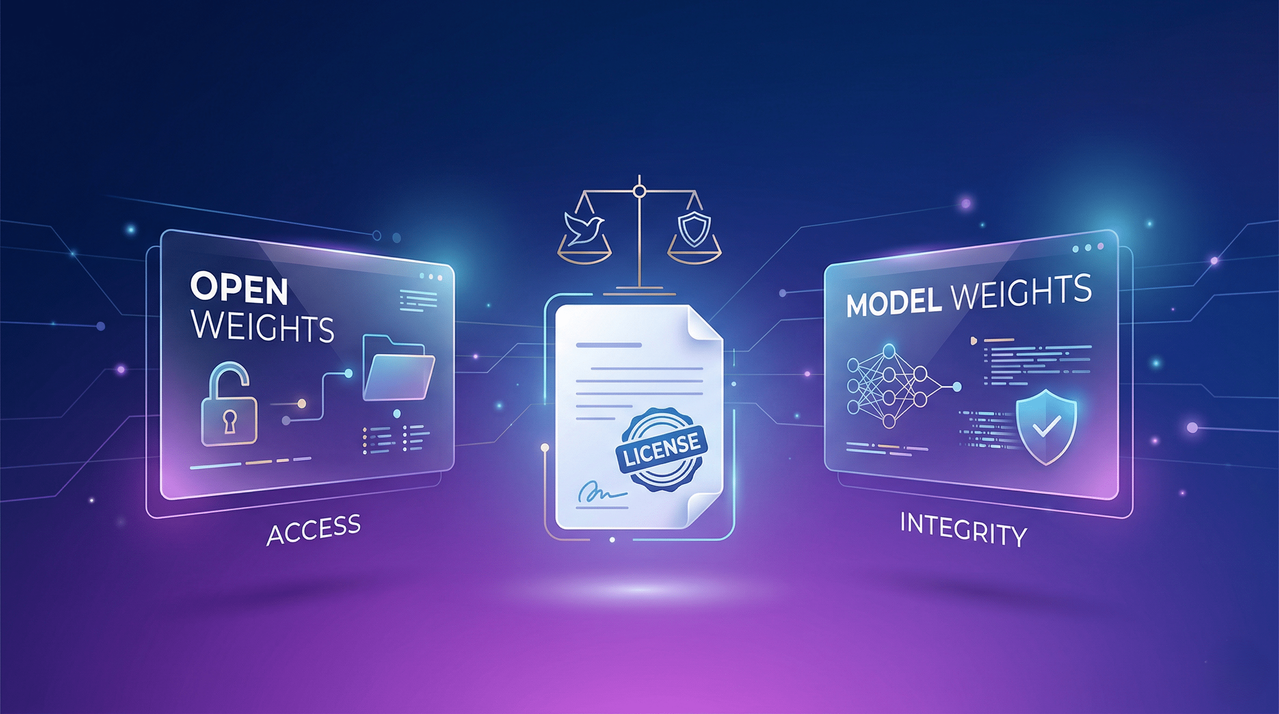
GLM‑5.1 ships on Hugging Face with MIT license metadata, while MiniMax M2.7’s ‘modified‑mit’ license includes non‑commercial limits. Here’s what NVIDIA NIM availability means—and what to check before commercial use.
As we navigate the complexities of 2026, Artificial Intelligence has transitioned from simple generative tools to a sophisticated ecosystem of multi-agent orchestration and physical embodiment.
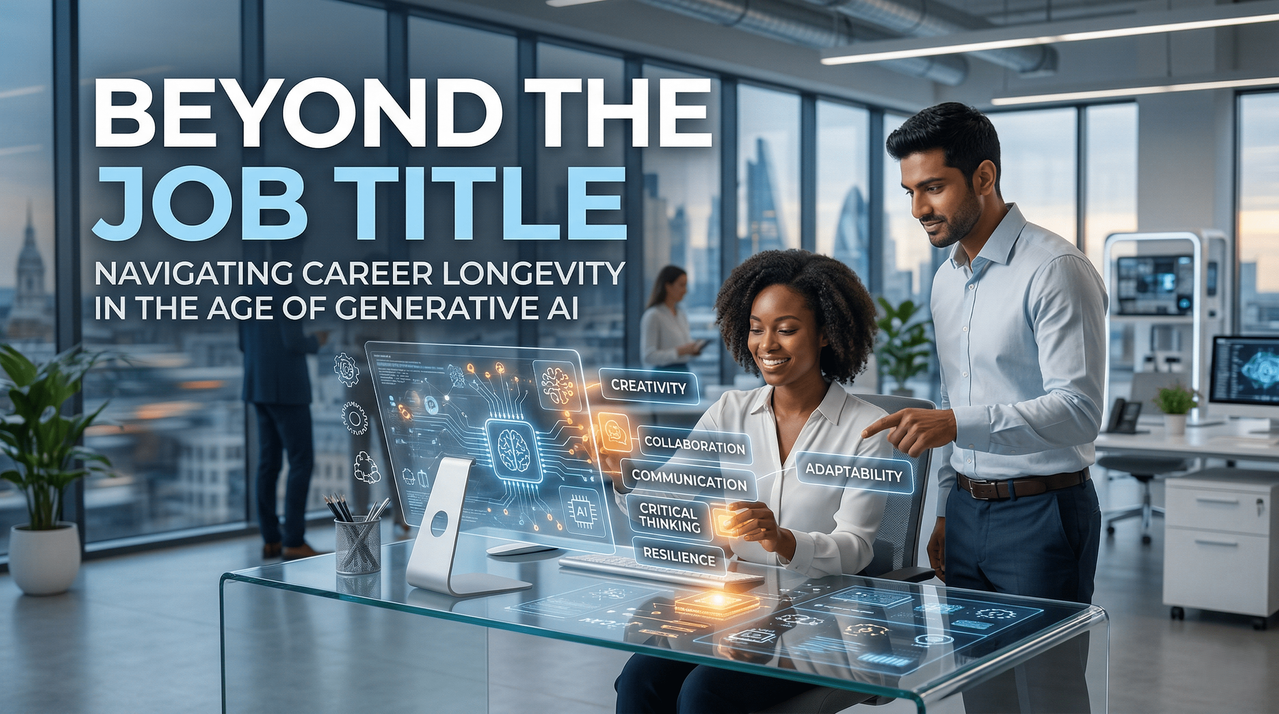
As generative AI claims process-driven roles, professional survival depends on shifting from "job titles" to "human tasks." Explore insights from LinkedIn’s Anish Raman on why adaptability, resilience, and unique human capabilities are the new currency in a post-AI economy.