

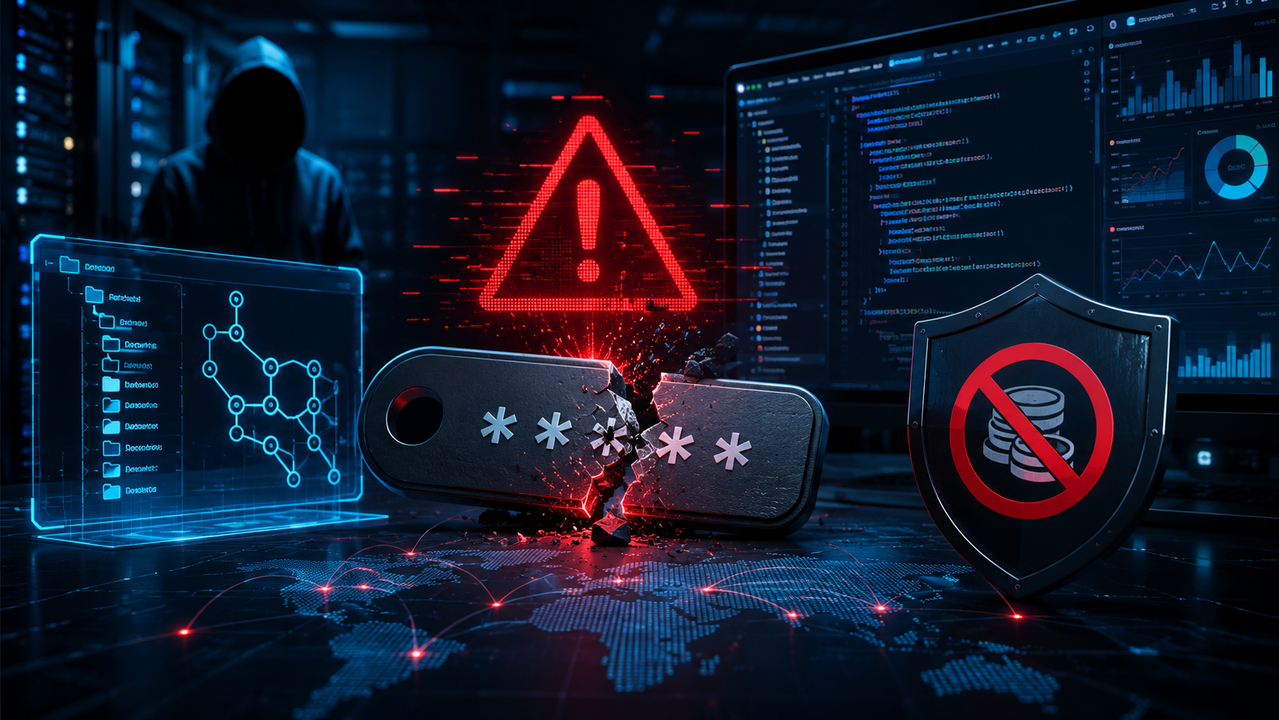
Grafana Labs Hack Shows Why Open Source Security Matters
How a stolen GitHub token exposed code access risks without compromising customer data
Grafana Labs, the company behind the widely used open source observability and data visualization platform Grafana, has confirmed that hackers gained unauthorized access to part of its GitHub environment by abusing a stolen token credential. The company said the attackers attempted to blackmail it by threatening to release its codebase, but Grafana Labs refused to pay the ransom.
The incident is important not only because Grafana is a major name in open source infrastructure, but also because it highlights a growing cybersecurity challenge facing software companies, cloud-native platforms, DevOps teams, and enterprise technology providers: access tokens can become high-value targets. Even when customer records and financial data are not exposed, unauthorized access to development environments can create operational, reputational, and security concerns.
According to Grafana Labs, its investigation found that the stolen credential allowed access to the company’s GitHub environment, where source code is stored. However, the company stated that the token did not provide access to customer records or financial data. Grafana Labs said it has since invalidated the compromised token and implemented additional security measures to reduce the chance of a similar incident happening again.
The company also said the attacker demanded payment to prevent the release of the codebase. Grafana refused.
For an open source company, that detail creates a different type of security story. Much of Grafana’s software is already public by design. Developers, companies, and security researchers can download, inspect, modify, and run Grafana code on their own systems. This is one of the strengths of open source software: transparency allows communities to audit, improve, and extend the product. However, even open source companies may maintain private repositories, internal tooling, development scripts, infrastructure configuration, unreleased features, or proprietary business logic that are not intended for public release.
At the time of the company’s public statement, it remained unclear whether the attackers accessed anything beyond already-public code or whether any proprietary internal material was affected. Grafana Labs said its investigation is still ongoing and that it plans to share more findings once the probe concludes.
Why the Grafana Labs breach matters
Grafana is a major platform in the modern observability ecosystem. It is commonly used by engineering teams, cloud infrastructure operators, DevOps teams, security teams, and data analysts to visualize metrics, logs, traces, and operational dashboards. Organizations use Grafana to understand system performance, monitor application health, detect outages, and track business or technical indicators in real time.
That wide adoption makes any cybersecurity incident involving Grafana Labs notable. Even if no customer data was accessed, the compromise of a development environment can raise serious questions. Software supply chain security has become one of the most important areas in cybersecurity because attackers increasingly target the tools, repositories, credentials, and pipelines used to build and deploy software.
A stolen GitHub token can be especially dangerous. Tokens are often used to authenticate automated systems, developer tools, integrations, and CI/CD pipelines. If improperly scoped, stored insecurely, or left active after exposure, a token can give attackers access to repositories, workflows, secrets, or deployment processes. In the worst cases, attackers may use compromised credentials to modify code, inject malware, steal secrets, or move deeper into an organization’s infrastructure.
Grafana Labs has not said that such activity occurred in this case. Based on the company’s statement, the stolen token did not allow access to customer records or financial data, and the company invalidated it after discovering the issue. Still, the incident serves as a reminder that identity and access management is now one of the central pillars of cybersecurity.
Refusing to pay the ransom
Grafana Labs also made a clear decision not to pay the hackers. The company cited long-standing guidance from the FBI, which has repeatedly advised victims not to pay cybercriminals. The reason is simple: paying a ransom does not guarantee that attackers will delete stolen information, return data, or stop threatening the victim. In many cases, payment only encourages more attacks by proving that extortion works.
This position is widely supported by cybersecurity experts. Ransom payments can help fund criminal groups, strengthen their infrastructure, and incentivize future campaigns against other organizations. Even when a company receives a promise from hackers, there is no reliable enforcement mechanism. Attackers can take the money and still publish stolen data later, sell it to another group, or use it for future attacks.
Grafana’s refusal to pay stands in contrast to other recent corporate cyber incidents where victims have reportedly reached agreements with attackers after data theft or public extortion threats. In some cases, organizations may feel pressured to pay because stolen data includes sensitive personal information, student records, employee data, medical details, or business documents. Grafana’s situation appears different because the company said no customer records or financial data were accessed.
That difference matters. When sensitive customer data is involved, companies face legal, regulatory, ethical, and reputational pressure. When the exposed material is primarily code, especially for an open source company, the risk profile can be more complex. The main concerns may involve internal intellectual property, undisclosed vulnerabilities, private infrastructure details, or the possibility that attackers could use stolen information to search for weaknesses.
Open source does not mean risk-free
Some readers may wonder why hackers would threaten to release the codebase of an open source company. The answer is that “open source” does not always mean every part of a company’s engineering environment is public. Many open source businesses operate with a mix of public repositories and private systems. Public code may power the core product, while private repositories may contain enterprise features, internal automation, cloud service components, testing infrastructure, deployment scripts, or unreleased work.
This is why open source organizations still need strong internal security controls. Transparency is valuable, but it does not remove the need for access control, secret management, token rotation, repository monitoring, and incident response planning.
For enterprise users, the Grafana incident is also a useful reminder to separate vendor security from product security. A vendor can suffer an internal access incident without customer deployments automatically being compromised. At the same time, customers should continue to monitor vendor updates, apply security patches, review advisories, and maintain their own defenses.
The best security posture combines trust with verification. Organizations using Grafana should follow the company’s official updates, review any future incident report, and ensure they are running supported and updated versions of the software. Security teams should also check their own Grafana deployments for exposed credentials, weak authentication, outdated plugins, or misconfigured dashboards.
The bigger lesson for software companies
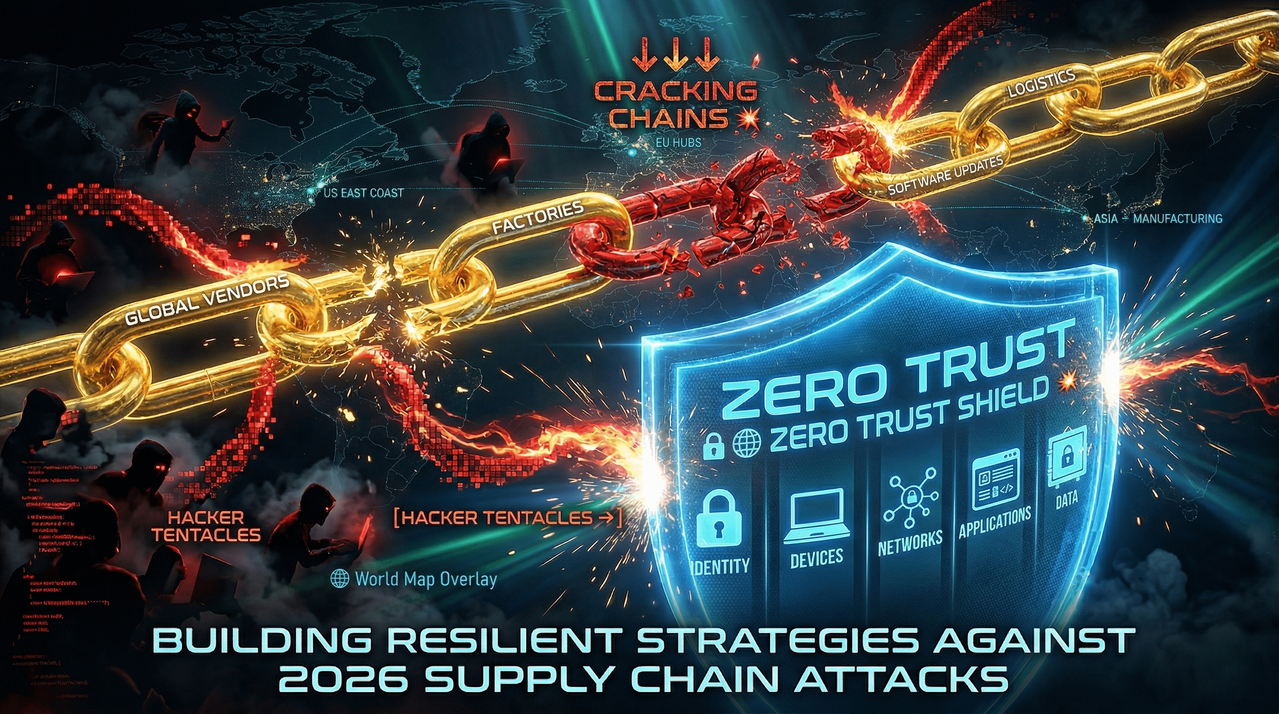
The Grafana Labs hack reflects a broader trend in cyberattacks against software supply chains. Attackers know that developer environments often contain powerful access points. GitHub tokens, cloud keys, CI/CD secrets, package publishing credentials, and internal automation accounts can all become pathways into critical systems.
Companies can reduce these risks by applying least-privilege access, short-lived tokens, strong secret scanning, mandatory multi-factor authentication, regular credential rotation, and continuous monitoring of repository activity. Security teams should also audit which tokens exist, who owns them, what permissions they have, and whether they are still needed.
Another key lesson is the importance of rapid response. Grafana Labs said it invalidated the stolen token and added new safeguards. That type of containment is essential. Once a credential is suspected to be compromised, organizations should revoke it quickly, investigate related activity, search for lateral movement, and review logs for suspicious access.
Communication also matters. By publicly confirming the incident, explaining the known scope, and stating that customer records and financial data were not accessed, Grafana Labs provided users with an initial level of transparency. The company also acknowledged that the investigation is ongoing, which is important because early incident details can change as forensic work continues.
What users and businesses should watch next
The most important next step will be Grafana Labs’ final or expanded incident report. Users will want to know whether attackers accessed only public repositories or whether private code, internal tools, or unreleased features were involved. They will also want to know whether the stolen token had write access, whether any code was modified, and whether any secrets were exposed inside repositories.
For now, the company’s public position is that customer records and financial data were not compromised. That is a meaningful distinction, especially compared with breaches where attackers steal personal information or operational data from users.
Still, the incident should not be dismissed. It shows how a single credential can create a serious security event, even at a technically sophisticated company. It also demonstrates why open source firms must protect their development environments with the same seriousness as closed-source software vendors.
Grafana Labs’ refusal to pay the ransom sends a strong message: cyber extortion should not be rewarded, especially when payment offers no guarantee of protection. The company’s response aligns with the broader cybersecurity principle that resilience, transparency, and containment are more reliable than negotiating with criminals.
In the end, this breach is less about whether Grafana’s public code was exposed and more about the evolving risk around software development infrastructure. As more companies rely on open source platforms, cloud-native tooling, and automated deployment pipelines, attackers will continue to target the credentials and systems behind the software.
For businesses using Grafana, the practical response is clear: stay informed, monitor official updates, keep deployments patched, and treat observability tools as part of the broader security surface. For software companies, the message is even sharper: secure every token, limit every permission, and assume that developer credentials are among the most valuable assets attackers can steal.


Comments
No comments yet. Be the first to share your thoughts!
Leave a Comment