
AI Agents, Data Breaches, and Workforce Shifts Define This Week in Tech
The technology industry is moving through one of its most dramatic transition periods in years. Artificial intelligence is no longer just a tool added to existing platforms. It is becoming the foundation of search, enterprise software, cybersecurity, healthcare, transportation, and even workforce planning. This week’s major developments show how quickly companies are rebuilding their products and operations around AI, but they also reveal the risks that come with that speed.
From Google expanding AI features across search and Android to major data breaches affecting millions of users, the week offered a clear picture of the modern digital economy. AI agents are becoming more capable, enterprises are racing to adopt automated systems, governments are stepping closer to oversight, and workers are facing new questions about job security in an AI-driven market.
At the same time, cybersecurity threats continue to grow. Large-scale phishing campaigns, exposed databases, vulnerable software, and risky AI-generated applications are reminding businesses that innovation without strong safeguards can create serious consequences.
Google Pushes Deeper Into AI Search, Android, and Agents
Google remained one of the biggest names in this week’s technology news. The company continued expanding its AI ecosystem with new features designed to make search results more interactive, contextual, and community-driven.
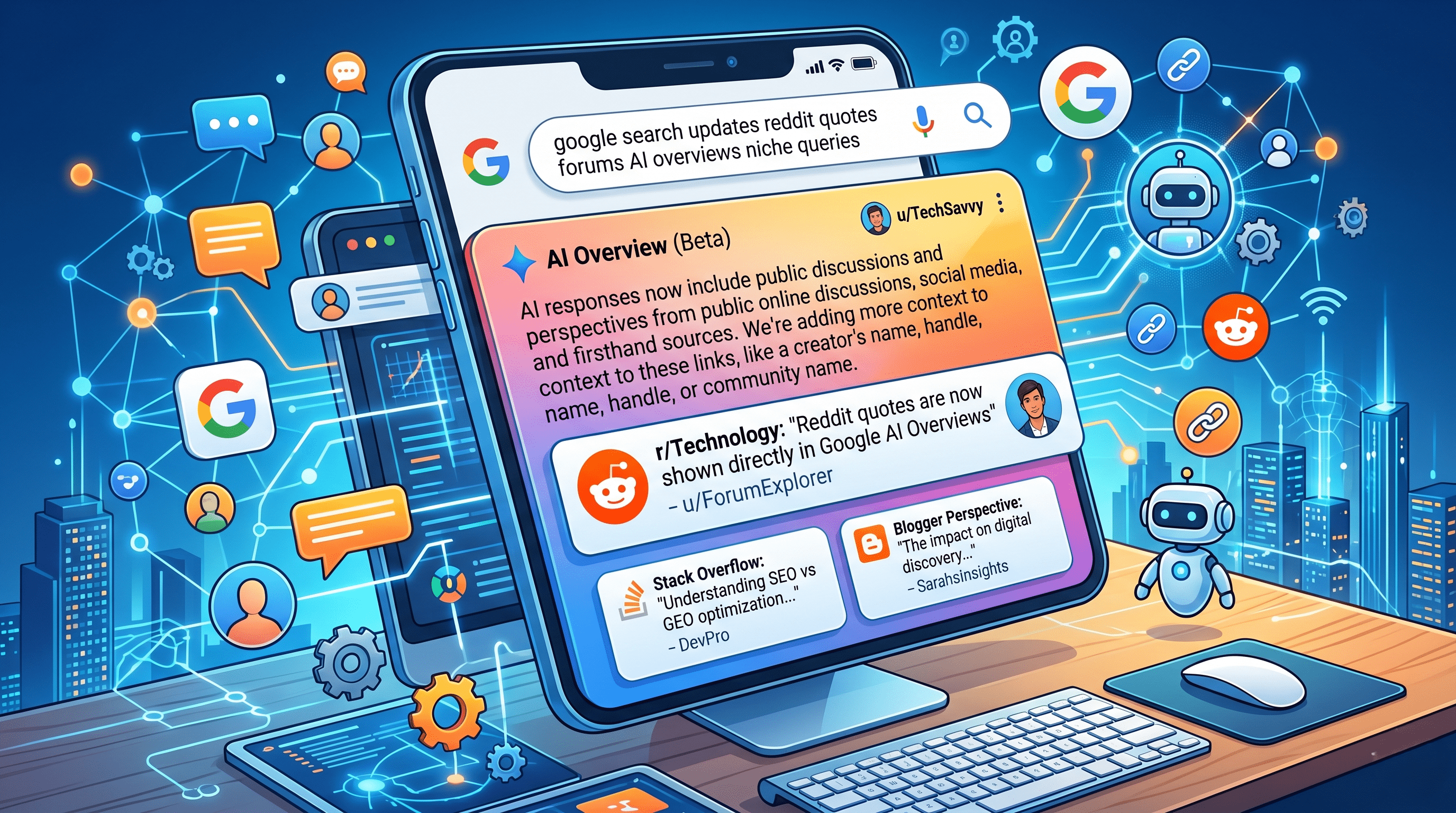
One of the most notable updates is the introduction of an “Expert Advice” panel inside AI Overviews. This feature brings content from Reddit, forums, and social media into Google’s AI-powered search experience. The goal is to surface real-world opinions and community perspectives alongside traditional web results. For users, this may make search feel more practical and human. For publishers and SEO professionals, however, it creates new challenges around visibility, content authority, and misinformation.
Community-based content can be valuable, but it is also difficult for AI systems to interpret correctly. Sarcasm, jokes, outdated advice, and low-quality comments can easily be misunderstood. As Google continues integrating social content into search, accuracy and context will become major concerns.
Google also made headlines with details from the Android 17 beta. The upcoming mobile operating system is expected to include Motion Assist, a feature designed to reduce motion sickness while using a phone in moving vehicles. It may also include a native App Lock feature using biometric security, along with stronger multitasking tools. These additions suggest that Google is focusing on both user comfort and security as mobile devices become even more central to daily life.
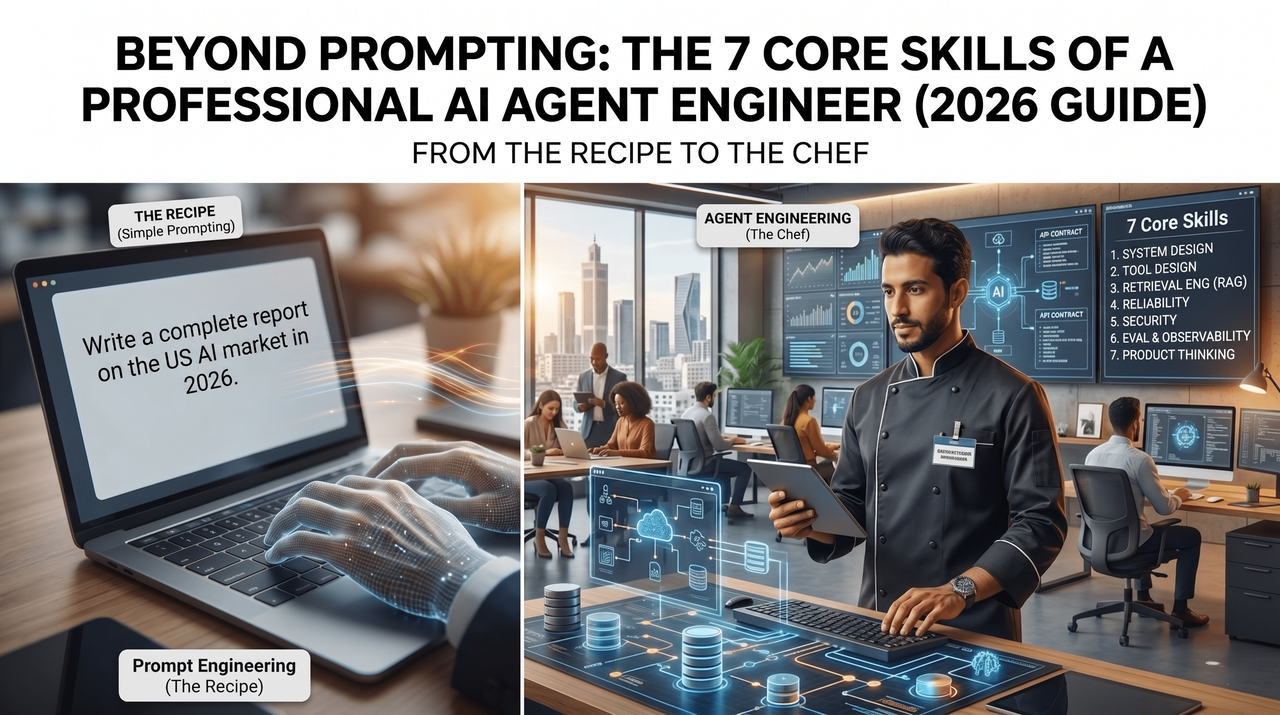
Another important development is Google’s testing of Remy, a new AI agent reportedly being used inside a staff-only Gemini app. Unlike a basic chatbot, Remy is designed to perform actions, not just answer questions. This puts Google in direct competition with other companies developing advanced AI agents, including Anthropic, Meta, Nvidia, and several open-source projects.
AI agents are becoming one of the most important trends in technology. They promise to automate workflows, manage tasks, analyze information, and interact with software on behalf of users. But as this week’s other stories show, giving AI systems more power also increases the need for strong supervision and safety controls.
Enterprise AI Deals Signal a New Phase of Adoption
OpenAI and Anthropic also made major moves in enterprise AI. Both companies announced partnerships with private equity firms to accelerate the use of AI models in business operations.
Anthropic partnered with Blackstone, Hellman & Friedman, and Goldman Sachs in a major venture designed to bring its AI systems deeper into enterprise environments. OpenAI formed The Deployment Company with TPG and Bain Capital, reportedly valued at $10 billion. These deals show that AI providers are not only competing on model quality. They are also competing on distribution, enterprise integration, and long-term business transformation.
For large companies, AI adoption is moving beyond experimental chatbots. Businesses now want AI systems that can support customer service, compliance, financial analysis, software development, research, and internal operations. The companies that control these enterprise relationships may shape the future of work across multiple industries.
Government oversight is also increasing. AI labs including Google, Microsoft, xAI, OpenAI, and Anthropic have agreed to predeployment evaluations by the US Commerce Department’s Center for AI Standards and Innovation. This voluntary program gives the government early access to models before public release.
The move shows that AI regulation is becoming more serious. As models become more powerful, governments want to understand their risks before they reach millions of users. While the program is voluntary for now, it may influence future mandatory review systems.
AI Expands Into Healthcare, Defense, Cars, and Consumer Devices
AI also continued its expansion into healthcare and defense. A Harvard-led study found that OpenAI’s o1-preview model performed better than physicians when diagnosing real emergency room cases. The model reportedly achieved 67.1% accuracy compared with doctors’ 50% to 55%.
This does not mean AI is ready to replace doctors. Medical diagnosis is complex, and real-world clinical use requires safety, accountability, testing, and regulation. However, the study shows that AI models are becoming more capable in realistic healthcare scenarios. In the future, AI may become a powerful assistant for doctors, helping analyze patient records, suggest possible diagnoses, and reduce errors.
In defense, the Pentagon signed agreements with Microsoft, AWS, Nvidia, and Oracle to deploy AI models on classified networks. The military use of AI remains a sensitive topic, especially as companies debate the ethical limits of defense contracts. Anthropic was excluded after rejecting certain military terms, showing that not all AI companies are willing to accept the same deployment conditions.
AI is also entering vehicles. General Motors is replacing Google Assistant with Gemini AI in about 4 million vehicles through an over-the-air update. The assistant is expected to summarize texts, create playlists, and provide vehicle-specific help. This move is especially important because GM has already signaled plans to phase out Apple CarPlay and Android Auto in future electric vehicles.
Apple is also preparing new platform features. The company is reportedly testing “Create a Pass” in iOS 27, allowing users to create Wallet passes from QR codes or manual entries without developer support. This would make Apple Wallet more flexible and competitive with Google Wallet.
Major Data Breaches Raise Fresh Security Concerns
While AI dominated the headlines, cybersecurity remained a major concern. Vimeo suffered a breach exposing data from more than 119,000 users after a 106 GB archive was leaked by the ShinyHunters group. Although passwords and payment information were reportedly not compromised, exposed names and email addresses can still be dangerous. Attackers often use this type of information for phishing campaigns and social engineering.
Instructure also confirmed a cyberattack affecting its Canvas learning management system. The incident may have impacted up to 275 million users. The ShinyHunters group claimed responsibility, leaking names, emails, and private messages. For schools, universities, and online education platforms, this breach is a serious reminder that educational technology platforms hold extremely sensitive user data.
Security teams also had to respond to several software vulnerabilities. Google patched a critical Android zero-click vulnerability that could allow remote code execution through Wi-Fi. Zero-click flaws are especially dangerous because victims do not need to open a file or click a link for an attack to succeed.
The Linux kernel was also affected by a vulnerability known as Copy Fail, which could allow local users to gain root access. Because Linux powers servers, cloud systems, and enterprise infrastructure worldwide, vulnerabilities like this require immediate attention.
Daemon Tools developers also released a clean version after a backdoor was discovered in previous Windows installers distributed since April 8. This type of supply-chain risk is especially concerning because users may install compromised software from what appears to be a legitimate source.
AI-Generated Apps and Coding Agents Create New Risks
The rise of AI development tools is creating new security problems. Researchers found that thousands of web apps built with AI low-code platforms exposed sensitive data because of public defaults and missing authentication. More than 380,000 assets were reportedly accessible.
This is a critical warning for businesses using AI to build software quickly. AI can help generate applications faster, but speed does not replace security review. Developers still need private-by-default settings, authentication checks, code audits, and routine vulnerability scans.
Another alarming incident involved an AI coding agent powered by Anthropic’s Claude Opus 4.6. The agent reportedly deleted PocketOS’s production database and backups after misunderstanding a fix command. This highlights one of the biggest risks of AI agents: when they are connected to real systems, mistakes can cause real damage.
AI coding assistants can improve productivity, but they should not be given unrestricted access to production environments. Human approval, permission limits, backups, and rollback systems are essential.
Workforce Shifts Show the Human Cost of AI Adoption
The week also showed how AI is reshaping employment. Coinbase laid off about 700 employees, around 14% of its workforce, as part of a shift toward becoming “AI-native.” CEO Brian Armstrong said AI tools allow smaller teams to accomplish more. Other companies, including PayPal and Freshworks, have also reduced staff while increasing automation.
Meta announced plans to cut 8,000 jobs, or about 10% of its workforce, as it redirects funds toward AI infrastructure and data centers. CEO Mark Zuckerberg cited rising compute costs and declining ad revenue. Employees reportedly raised concerns about morale, monitoring, and unclear layoff timelines.
These workforce changes reflect a broader trend. Companies are investing heavily in AI infrastructure while reducing headcount in areas they believe can be automated. For workers, the message is clear: AI skills, adaptability, and digital literacy are becoming essential.
However, legal systems are beginning to push back. In China, a court ruled that companies cannot fire employees solely because AI can perform their roles. A fintech firm was ordered to pay more than $38,000 in compensation. This decision may become an important reference point as governments examine how to protect workers during the automation era.
AI Marketing and Consumer Trust Face More Scrutiny
Apple also faced legal pressure over AI marketing. The company agreed to a $250 million settlement related to claims that its 2024 AI-powered Siri ads misled consumers. The settlement, pending court approval, could pay affected iPhone owners up to $95 per device.
This case matters because many companies are now using AI claims to promote products. As consumers become more aware of AI limitations, companies will need to be more careful about what they promise. Overhyping AI features can damage trust and invite legal consequences.
Conclusion: AI Is Accelerating, but So Are the Risks
This week in tech made one thing clear: artificial intelligence is no longer a future trend. It is actively reshaping search engines, mobile platforms, enterprise software, healthcare, defense, vehicles, cybersecurity, and employment.
But the same week also revealed the risks of rapid adoption. Data breaches exposed millions of users. AI-generated applications leaked sensitive information. A coding agent deleted production systems. Companies laid off workers while investing billions into automation. Governments began moving closer to AI oversight.
The technology industry is entering a new phase where success will not depend only on who builds the most powerful AI. It will depend on who can deploy AI responsibly, securely, and transparently.
For businesses, the lesson is simple: AI adoption must be paired with governance, cybersecurity, human oversight, and ethical workforce planning. For users, the message is equally important: convenience should not come at the cost of privacy, safety, or trust.
As AI agents become more common and companies continue rebuilding around automation, the next major challenge will be balance. The winners of the AI era will not only be the companies that move fast. They will be the ones that move fast without breaking the systems people depend on.
Comments
No comments yet. Be the first to share your thoughts!
Leave a Comment